
The Nature of Risk and Reward in Gambling
Casino games are fundamentally built around the concept of risk, offering players the allure of potential rewards that can be both significant and immediate. This interplay between risk and reward taps into deep-seated psychological factors that drive us to engage with these games, even when the odds are not in our favor. Notably, for those exploring options like uk casinos not on gamstop, the prospect of winning can trigger a release of dopamine in the brain, creating feelings of excitement and euphoria. This chemical reaction can lead to a cycle of behavior where the thrill of a possible win keeps players returning, despite the reality of frequent losses.
Moreover, the framing of risks in gambling environments often skews perception. When players are faced with a gamble, they may focus on the possible jackpot rather than the statistical likelihood of loss. This cognitive bias plays a significant role in decision-making, where individuals convince themselves that their chance of winning is greater than it truly is. The casino’s environment, designed to be visually appealing and immersive, further amplifies these tendencies, making it easier to overlook the harsh realities of gambling probability.
The Role of Cognitive Dissonance
Cognitive dissonance occurs when individuals confront conflicting beliefs or behaviors, and this phenomenon is prevalent in gambling psychology. Players often experience dissonance when they recognize the odds are against them yet still choose to play. To reconcile this internal conflict, many gamblers rationalize their actions by focusing on past victories or the belief that they are “due” for a win. This mental gymnastics enables them to maintain a positive outlook on their gambling activities, reinforcing their commitment to play despite unfavorable odds.
This form of psychological coping can lead to an escalation of behavior, where individuals become entrenched in gambling patterns in order to validate their choices. The longer they play, the more difficult it becomes to break away from the cycle. This is particularly relevant in games of chance, where the randomness of outcomes can lead players to mistakenly believe they have control over their fate.
The Influence of Social Factors
Social influences significantly affect gambling behavior, often amplifying the willingness to engage with high-risk games. In environments where gambling is normalized—such as casinos, online platforms, or among peer groups—the perception of risk can be altered. Players might feel increased pressure to participate, fearing social exclusion or a loss of status if they choose to abstain from gambling activities. This social dynamic can create a heightened sense of excitement and competition, prompting individuals to take risks they might otherwise avoid.
Moreover, the shared experience of gambling can foster a sense of community, which can further entrench individuals in their gambling habits. Winning becomes a shared triumph, while losses can be shared as well, all of which reinforces the social bonds within these groups. This social dimension creates an environment where the risks may seem less daunting, as they are collectively navigated among peers.
The Psychological Appeal of ‘Winning’ and Its Consequences
The psychological quest for a win significantly drives people to gamble despite the realities of long-term losses. The intermittent reinforcement of occasional wins can create an almost addictive cycle of behavior, where players continuously seek that next exhilarating triumph. The excitement of winning, no matter how infrequent, provides a strong incentive to keep playing, as it cultivates hope and anticipation for future success.
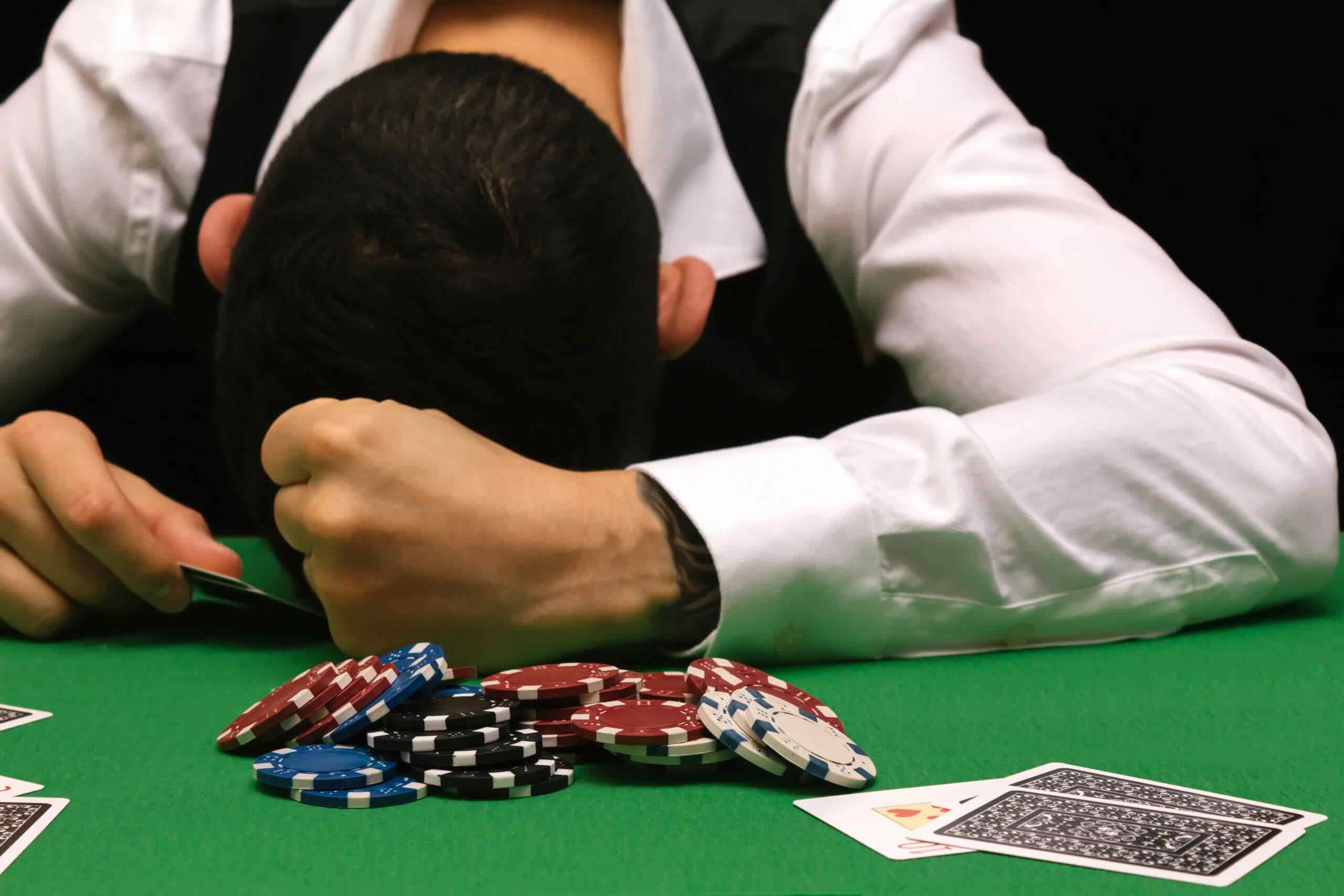
However, the consequences of chasing these fleeting wins can be severe. Many individuals find themselves in precarious financial situations as they chase losses, often leading to harmful patterns of behavior and addiction. Understanding this psychological appeal is crucial not only for those who gamble but also for friends, family, and communities affected by gambling-related issues. A comprehension of these psychological dynamics can foster more supportive and informed discussions around responsible gambling practices.
Understanding the Complexity of Gambling Behavior
At our website, we are committed to raising awareness about the psychological aspects of gambling and the importance of responsible gaming practices. Understanding the myriad psychological factors that contribute to gambling behavior can help individuals recognize the signs of problem gambling and seek help when necessary. We believe that education is key to promoting healthier approaches to gambling, ensuring that players can navigate their choices with awareness and caution.
Through informative resources and community engagement, we aim to create a dialogue around gambling psychology and its consequences. By fostering a better understanding of why we play despite the odds, we hope to empower individuals with the knowledge needed to make informed decisions, ultimately contributing to a healthier, more sustainable gaming environment.